Save Our Royal Mail Home

Category

Rural Analysis

11 articles

No Forwarding Address: What the Returns Centre Knows About a Street in Flux

No Forwarding Address: What the Returns Centre Knows About a Street in Flux

Every year a portion of Britain's mail fails to arrive and begins a second, quieter journey — back through the sorting office to Royal Mail's National Returns Centre. That return route is an unexpected audit of how well our addresses, and our communities, keep pace with change. What it reveals is less about carelessness than about churn.

The Map in the Postie’s Head: Auditing What a Round Cannot Record

When a long-serving postal worker leaves, the route map remains but much of the knowledge that makes it work does not. This analysis explains why tacit local knowledge matters for reliability, safety and vulnerable residents, and sets out a practical handover audit that communities can ask Royal Mail to carry out and share.

Minutes of the Last Delivery: Parish Councils as Sentinels of Postal Decline

Minutes of the Last Delivery: Parish Councils as Sentinels of Postal Decline

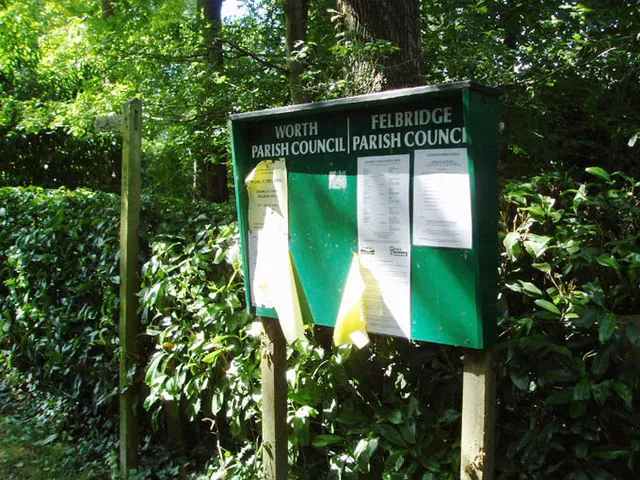
Parish and town councils are among the first institutions to feel a postal service slow down, because statutory notices, local ballots and mailings to residents who are not online all run on the same timetable. This analysis treats the parish clerk's postbag as an early-warning system, and sets out a practical record that communities can keep.

When the Postmark Is the Clock: Legal Post and the Cost of Delay

When the Postmark Is the Clock: Legal Post and the Cost of Delay

A late letter is an inconvenience until the letter carries a legal deadline. This audit examines court notices, council decisions, benefit letters, possession warnings and immigration correspondence in 2026, and sets out practical safeguards for proof of posting, sender responsibility and non-digital fallbacks.

Two Names, Two Doors: Who Decides What Happens to Your Mail

Two Names, Two Doors: Who Decides What Happens to Your Mail

Royal Mail and the Post Office are often spoken of as one service. They are not. This explainer sets out who owns what, who decides what, and which door a complaint should go through — a small piece of consumer clarity that makes campaigns harder to brush aside.

The Counter Without a Counterpart: What an Access Point Cannot Do

The Counter Without a Counterpart: What an Access Point Cannot Do

A rising count of parcel lockers and third-party counters is often presented as proof that postal access is being maintained. This analysis tests that claim against the everyday needs of older residents, small traders, cash users and anyone sending urgent mail, and sets out the questions communities should ask when a service is described merely as changing access.

Closing the Saturday Round: Who Really Pays If Weekend Deliveries Stop

Closing the Saturday Round: Who Really Pays If Weekend Deliveries Stop

Cutting Saturday deliveries is presented as sensible modernisation, but the arithmetic looks very different at the shop counter, the hospital appointments desk and the bungalow at the end of the lane. This analysis separates the spin from the evidence and sets out what a genuinely modern six-day service would require.